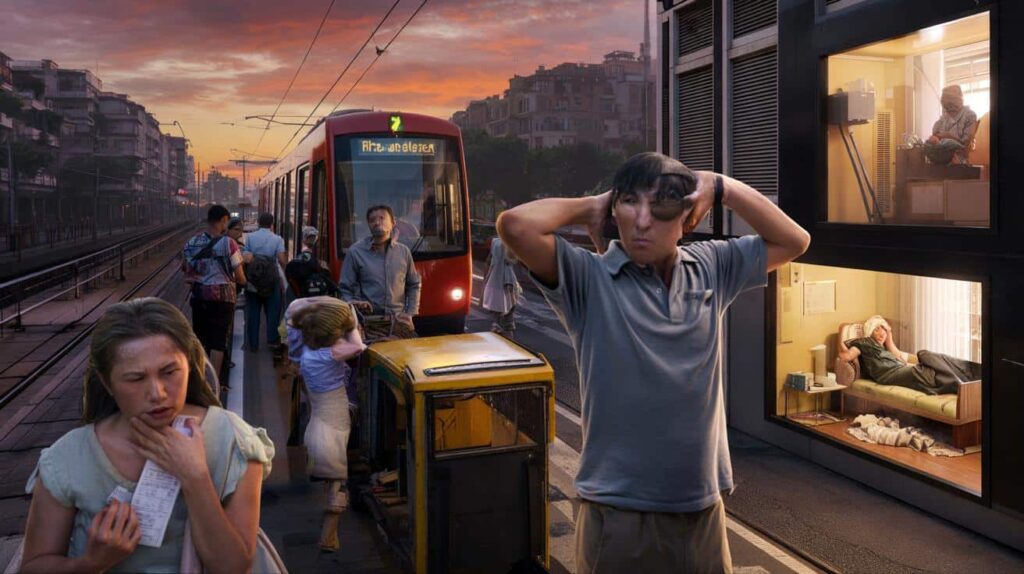
Hours before sunset, the sky over the city turned the color of bruised peaches. People on the tram all raised their phones at the same time, trying to take pictures of the strange orange light. They were both amused and uneasy. A woman on the platform used a grocery receipt to wipe the sweat off her child’s neck. It was 34°C at 9 p.m.
The voice of the announcer said that the heat was causing “minor disruptions.” The guy next to me mumbled, “I guess this is just summer now.”
He sounded resigned, like someone who had to pay more rent or wait longer for Wi-Fi.

Scientists say that kind of shrug is exactly what we should be afraid of.

The harm that severe weather causes to our bodies happens without much notice. We describe it as a heatwave as if the weather is going through a temporary phase. Eventually the nights remain warm and the air becomes heavy and damp against your skin. Your clothes cling to your body while shopping and standing near the refrigerated section feels unusually comfortable. The physical effects build up slowly. Your body works harder to maintain its normal temperature. Sleep becomes difficult when rooms stay hot through the night. Dehydration sets in before you realize you need more water. The constant heat drains your energy and makes simple tasks feel exhausting. People often underestimate how much extreme temperatures affect their health. The body can only handle so much stress from prolonged heat exposure. Vulnerable groups like elderly people and young children face greater risks. Even healthy adults can experience heat exhaustion when conditions persist for days. We tend to think of weather as something external that passes by. But extreme heat actually changes how our bodies function. It strains the heart and other organs. It disrupts our sleep patterns and mental clarity. The impact accumulates over time rather than hitting all at once.
Life continues even when temperatures hit 40°C and people have no choice but to adapt. We take our dogs for walks on scorching sidewalks and stand at bus stops that feel unbearably hot. We check our weather apps and see that it feels like 44° before moving on to other things. The heat becomes part of the daily routine rather than something that stops us in our tracks. People adjust their schedules & find ways to cope with the extreme temperatures. Some venture out early in the morning or late in the evening when it’s slightly cooler. Others simply accept the discomfort as temporary and push through it. The body adapts over time to these conditions. What felt impossible during the first heatwave becomes manageable by the third or fourth one. We learn which streets have more shade & which routes expose us to direct sunlight for too long. Our pets also need their exercise regardless of the weather. We carry water bottles for them and try to keep walks brief. The pavement can burn their paws so we test it with our hands first or stick to grassy areas when possible. Public transportation doesn’t offer much relief either. Bus stops provide minimal shade & the wait can feel endless under the blazing sun. Once the bus arrives it might be air conditioned or it might not. Either way we board it because we need to get where we’re going. The weather app has become something we check constantly but the information rarely changes our plans. We see the high temperature and the “feels like” number that’s even higher. We note it & then continue with whatever we had planned for the day.
The weather report tells us that temperatures are breaking records but we go about our daily routines as if everything is normal. We experience a strange disconnect between what the data shows and how we actually live our lives. Scientists announce unprecedented climate patterns while most people continue with their usual habits & schedules. This gap between awareness and action defines our current relationship with environmental change. The information reaches us through news broadcasts and smartphone alerts. We hear about extreme temperatures and unusual weather events. Yet when we step outside and go to work or school we rarely adjust our behavior in meaningful ways. The knowledge exists in our minds but fails to translate into different choices or lifestyle changes. This contradiction appears in small moments throughout each day. We read an article about rising global temperatures over breakfast. Then we drive alone to work in our car without considering alternatives. We see footage of melting ice caps on the evening news. Later we adjust the thermostat without thinking about energy consumption. The warnings and the reality seem to exist in separate mental compartments. Part of this disconnect comes from how our brains process abstract threats versus immediate concerns. Climate change operates on timescales that feel distant even when scientists insist the crisis is happening now. Our psychological wiring evolved to respond to visible and present dangers rather than gradual shifts in atmospheric conditions. The daily weather outside our window often seems unremarkable even during record-breaking periods. A few extra degrees of heat might feel slightly uncomfortable but not catastrophic. We adapt quickly to new normals without recognizing we are adapting at all. Each year becomes the baseline for the next & our sense of what constitutes normal weather shifts along with the actual climate.
Researchers in Seville studied hospital admissions during a ten-day heat dome that hit the city in 2023. They found that strokes & heart attacks and kidney failure all increased. The rise was not small but reached tens of percent. Many of the patients had not even been outside.
A woman in her seventies spoke to a local newspaper about staying inside her apartment with the shutters closed. She did not use a fan because running it all day cost too much money. The kitchen tiles reached 39 degrees Celsius when she collapsed. The ambulance arrived and found her body temperature had climbed to nearly the same level.
The report received minimal attention. It appeared on a health department website in PDF format while social media users transformed the same heatwave into sunset photographs and humorous comments about extreme temperatures.
Climate scientists and doctors continue to emphasize an important point about how we discuss weather events. The language we use makes extreme conditions sound more manageable than they actually are for our physical health. Terms such as extreme and record-breaking have become so common in weather reports & news coverage that they no longer carry the weight they should. However our internal organs do not adapt to these conditions simply because we have become accustomed to hearing about them. The human body responds to dangerous heat and weather conditions in very specific ways regardless of how frequently these events occur. Your heart works harder in extreme temperatures. Your kidneys face additional stress. Your lungs must process air that may be filled with pollutants or exist at uncomfortable humidity levels. These physical responses happen every single time your body encounters harsh conditions. The disconnect between our casual language and physical reality creates a dangerous situation. When we hear about record temperatures so often that the phrase becomes routine we may fail to take appropriate precautions. We might underestimate the real health risks involved. Our bodies cannot build up tolerance to extreme weather the way our minds become desensitized to alarming headlines. This gap between perception and biological reality matters because it affects how seriously people treat weather warnings. Someone who hears about extreme heat every summer might dismiss the latest alert as just another exaggerated forecast. Meanwhile their cardiovascular system faces genuine strain that could lead to serious health complications. Medical professionals see the consequences of this disconnect in emergency rooms during heat waves and severe weather events. The patients arriving with heat exhaustion or worse often did not realize how much danger they were actually in because the warnings had become background noise.
Blood becomes thicker during hot weather. The heart starts beating faster. Your organs struggle to maintain brain function as sweat glands push out salt & water. The body’s ability to cool itself begins to fail when temperatures reach 35°C in humid conditions.
If you repeat the phrase “the new normal” over & over you will eventually forget that each additional degree of temperature increase causes real harm to living things.
Why “getting used to it” isn’t a way to stay alive
One simple survival skill that scientists recommend is surprisingly straightforward: approach hot days the same way you would handle being sick. Move at a slower pace. Cancel demanding tasks. Schedule any outdoor work for early morning before 10 a.m. or wait until evening after sunset.
Some hospitals in France now tell heart patients to “plan for fewer steps, more glasses of water, and one cool room” on official heat alert days. That could be a bedroom with a fan or a neighbor’s living room with an old air conditioner. It just needs to be there.
They say it is like getting ready for a storm. You would not go windsurfing in a storm. Why do you keep running at noon when it is 38 degrees Celsius? People compare it to preparing for bad weather. Nobody would choose to windsurf during a storm. So why do you insist on running in the middle of the day when the temperature reaches 38 degrees?

The hard part is not the technical part; it’s the emotional part. We don’t pay attention to limits that we can’t see. You still have kids, emails, deadlines, and school runs. The lawn is dying, the dog is restless, and the boss says, “Sure, you can come into the office.”
We have all experienced that moment when we feel dizzy but convince ourselves it is just hunger or fatigue. Ten minutes pass and our hands start shaking when we attempt to send a text message. This reaction does not define us as individuals. It is simply our body’s temperature regulation system not working properly. The human body maintains its core temperature through a complex process called thermoregulation. When this system fails to function correctly we experience various physical symptoms. Dizziness often appears as an early warning sign that something is wrong with our internal temperature balance. We tend to dismiss these signals and attribute them to more common causes like skipping a meal or not getting enough sleep. Shaking hands represent another symptom of thermoregulation problems. The trembling occurs because our muscles are trying to generate heat through rapid contractions. This involuntary response happens when our body detects that its core temperature has dropped below the optimal range. The shaking feels uncomfortable and makes simple tasks like typing on a phone difficult to complete. Understanding that these symptoms stem from a physiological process rather than personal weakness helps us respond appropriately. Our bodies are designed with multiple feedback systems that alert us when something needs attention. Recognizing the signs of thermoregulation failure allows us to take corrective action before the situation worsens.
People do not actually cancel everything they do just because a weather app says bad weather is coming. The advice we give needs to be practical and work for how people really live their lives instead of assuming everyone will follow perfect safety rules.
Scientists have stopped calling it extreme weather and now use the term chronic shocks to describe what happens to the body. One epidemiologist explained that your nervous system does not care if the heatwave is trending on Twitter. It only cares about how long you have been above your safe zone.
Pay attention to early signs
- It’s not “being soft” to have headaches, nausea, a racing heart, or unusual tiredness in the heat. They’re early warning signs.
- Make a cool place to hide
- A bedroom that stays 3 to 4 degrees cooler than other rooms in your house helps your heart and brain relax better.
- Change who is in charge
- You should try to share rides with others when taking kids to school or walking the dog or going shopping on days when air quality is poor. This will help reduce your exposure to pollution.
- Change the way you talk
- Change the phrase “it’s just hot” to “this is a stress event for my body.” This simple adjustment helps you recognize that protective choices actually matter. When you reframe extreme heat this way you start treating it as a genuine physical challenge rather than something to push through. Your body experiences real strain during heat exposure and acknowledging this makes it easier to take necessary precautions seriously.
- Look in on one person
- A neighbor who is older, a coworker who lives on the top floor, and a friend who has asthma. One message can literally save lives.
The true price begins when the forecast ends. After each flood or wildfire or heat wave or ice storm something unusual occurs. News cameras leave & roads reopen and hashtags disappear. People who experienced these events cannot return to their previous lives. Their sleep patterns shift. Their blood pressure rises. Children develop worse asthma symptoms. The damage extends beyond what insurance companies calculate. A family might receive payment for a destroyed roof but nobody compensates them for the months of anxiety that follow. A community might rebuild its downtown but the psychological toll remains unmeasured. These hidden costs accumulate in doctor visits and therapy sessions & prescriptions that pile up on kitchen counters. Researchers have started documenting these effects. They find that people living through repeated climate disasters show symptoms similar to combat veterans. Their bodies remain in a state of alert long after the danger passes. Parents report that their children flinch at weather reports. Adults describe feeling jumpy when clouds gather or temperatures spike. The economic models miss this entirely. They count damaged buildings & lost crops and business interruptions. They assign dollar values to infrastructure repairs. But they cannot quantify the weight of dread that settles over a town that has flooded three times in five years. They cannot measure what it costs a person to wonder each summer if this will be the year their home burns. Medical systems feel the strain. Emergency rooms see spikes in heart attacks and strokes during extreme weather events. Mental health clinics report increased demand that persists long after the immediate crisis ends. Schools notice behavioral changes in students who lived through evacuations. These impacts ripple outward touching people who never made it into any disaster statistics. The pattern repeats across different landscapes & communities. Coastal residents deal with one set of threats while mountain towns face another. But the aftermath looks similar everywhere. People carry the experience in their bodies and minds. They make different decisions about where to live and whether to have children and how much future they can count on. This represents a fundamental shift in how humans relate to their environment. Previous generations experienced weather as something that occasionally turned dangerous. Current generations experience it as an ongoing source of uncertainty. The psychological adjustment required is substantial & largely unacknowledged in public discourse about climate change.
Scientists discovered that people who lived through the 2021 floods in Germany still had elevated inflammation markers in their blood several months after the disaster ended. These markers were not caused by physical injuries but rather by stress hormones that remained at abnormally high levels. The body’s stress response system had essentially become stuck in an activated state. One survivor described her ongoing physical reaction by explaining that her body continued to anticipate another flood even though the immediate danger had passed.
This pattern can also be seen in areas that have been affected by smoke from Canadian wildfires or storms that happen “once in a century” in the U.S. South. The body keeps track of the score in silence.
Main point
| Main point | Details | What the reader gets out of it |
|---|---|---|
| Bad weather is a biological event. | Heat, smoke, and floods cause stress on organs and immune systems that can be measured. | Makes it easier to see alerts as health warnings instead of background noise |
| The phrase “new normal” is dangerous. | Normalizing record events hides the fact that risks are going up and damage is happening every day. | It makes you change your behavior instead of forcing your body to do it on its own. |
| Small changes are important. | Cool rooms, changed schedules, and language changes all help reduce long-term stress. | Offers specific steps that work in real, messy lives |
Questions and Answers:
Question 1: Is my body really in danger if I feel “fine” during a heat wave?
Yes people typically feel normal until dehydration sets in or their heart and kidneys become overstressed and trigger a medical crisis. Feeling fine does not mean your organs are not working harder than they should be.
Question 2: Which is worse for your health: heat or smoke from fires?
# Answer 2
Heat and smoke are both dangerous on their own but become even more harmful when combined. High temperatures force the heart and blood vessels to work harder under stress. At the same time smoke particles cause irritation to the lungs and blood vessels. This combination increases the risk of heart attacks and strokes significantly.
Question 3: Can young, healthy people ignore most of these warnings?
# Answer 3
Young bodies cope better with heat stress than older ones do. However this advantage does not last indefinitely. Athletes who train outdoors face increasing risks from extreme temperatures. Construction workers spend long hours in direct sunlight without adequate protection. Delivery riders rush between stops with little time to rest or hydrate properly. Medical professionals now report a troubling pattern. Heat-related injuries appear more frequently among people in their twenties and thirties. These cases include heat exhaustion & heat stroke that require emergency treatment. Kidney problems have also become more common in these age groups. The organs suffer damage from repeated dehydration & overheating during work or training. The assumption that youth provides immunity from heat dangers is proving false. While younger people recover faster from individual incidents the cumulative effect of regular heat exposure takes its toll. Their bodies may seem resilient in the moment but chronic stress builds up over time. This leads to health complications that emerge earlier in life than previous generations experienced.
Question 4: Does getting used to the heat keep me safe?
Your body can adjust somewhat over time. You might start sweating sooner and tolerate heat slightly better than before. However this adaptation does not eliminate the danger when temperatures and humidity rise beyond safe thresholds.

Question 5: What is one thing I can do differently this season?
Answer 5: Pick one option from this list. You can schedule outdoor activities during the cooler morning or evening hours when red-alert days happen. Another choice is to work with your neighbors to create a shared cool space where everyone can go. Or you can set a specific temperature limit that tells you when to skip intense workouts. Having clear rules works better than keeping your plans unclear.