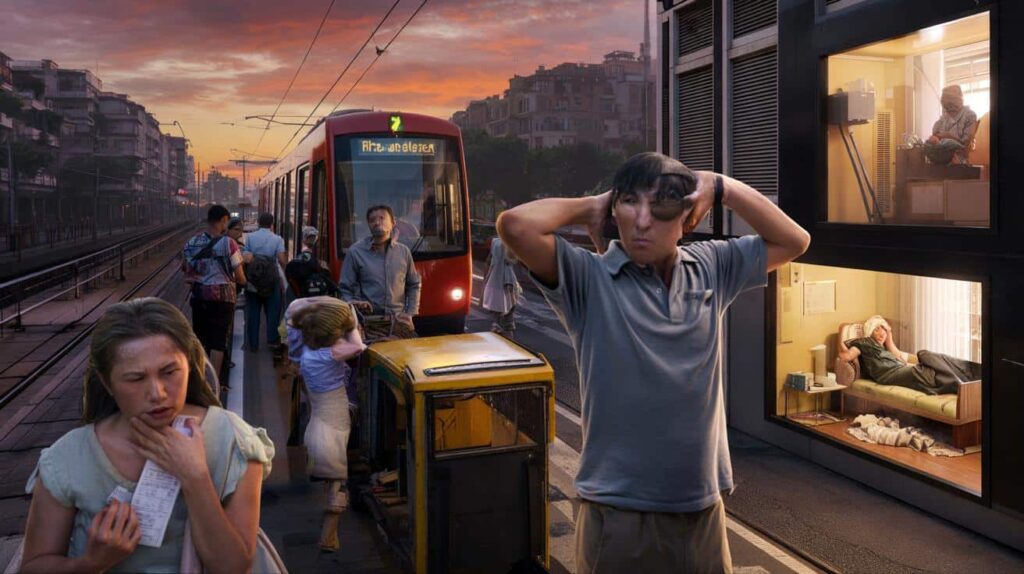
The cold came back like a bad habit. In the last days of January 2026, the air in many cities was so cold that it went right through your scarf. Windows were covered in ice, and the sound of car engines in the morning sounded strangely desperate. People rushed, heads down, boots squeaking on frozen pavements. Everyone was secretly thinking the same thing: “Wasn’t winter supposed to be coming to an end by now?”
Meteorologists started talking about a new twist almost as soon as the extreme cold set in. Not a smooth transition into spring, but a rough, restless slide into February and March. More distinct differences. Shifts that happen faster. A winter that doesn’t end, but rather breaks.
Winter won’t leave quietly, going from a brutal freeze to weeks of ups and downs. One week, dress for a dry, sparkling cold; the next, avoid icy rain and thawing slush. That is what weather experts are saying will happen in February and March 2026, which is a pattern that happens late in the winter. The deep freeze at the end of January doesn’t seem like the end of the world; it seems more like the start of a rough transition.

Models say that temperatures won’t rise steadily; instead, they will go up and down. Sudden warm spells followed by sharp drops back into the cold of late winter. The kind that makes trees bloom early and then burns the flowers days later.

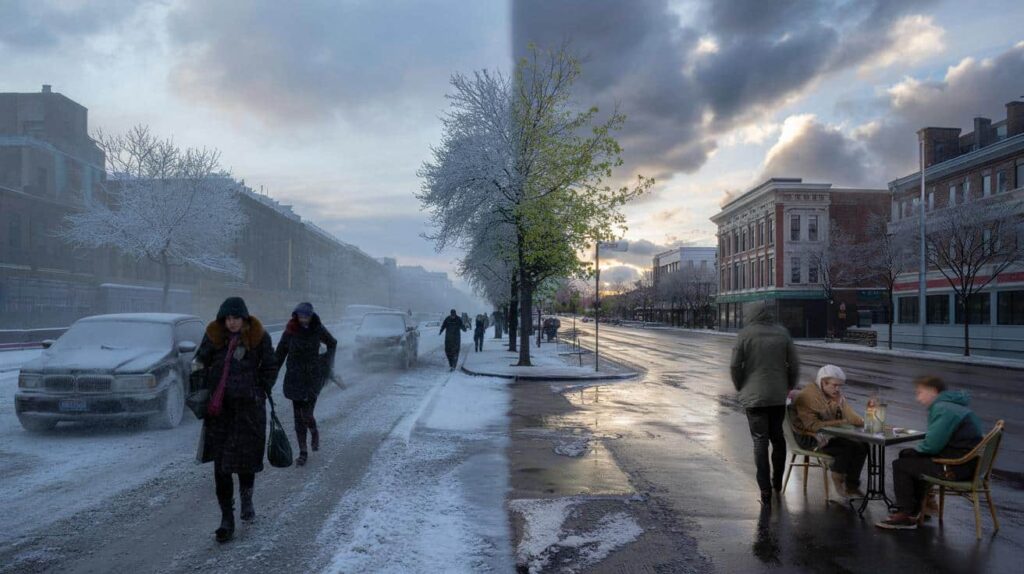
Long-range forecasts for the Midwest and some parts of Europe suggest a pattern that many people will remember from recent years, but bigger. Picture a weekend when the café terraces fill up with people talking and coats unzipped in the surprisingly warm sun.
Three days later, though, the same terrace is empty, the chairs are covered in wet snow, and road crews are out throwing salt on the ground as freezing drizzle coats everything in a dull, dangerous sheen. Some unlucky commuters slid through intersections they thought were just wet, not slick, while flights and school buses were late.
Climatologists say the cause is a broken jet stream that is bent and kinked by warm water in the northern oceans and the end of an El Niño-like pattern. When that river of air high up in the sky moves, cold air from the poles can move south and then back up just as quickly.
The result is not just “warmer winters” or “colder snaps,” but a kind of whiplash in the atmosphere. Very cold weather on top of unseasonably warm weather, with the changes getting sharper and the timing becoming less predictable. Not just the numbers on the thermometer, but the chaos between them is what many experts are most worried about.
What these changing patterns mean for your daily life
Planning your week like a mountain guide instead of a commuter might sound boring, but it’s a useful skill for the late winter of 2026. That means thinking about backups, layers, and margins. Yes, check the seven-day forecast on Sunday, then again on Tuesday, and again on Thursday.
Think of each 48 hours as its own little season. On days when it might thaw, clear the drains, move plants that are easy to damage, and plan drives for earlier in the day when the roads are less likely to freeze again. When the weather gets colder, fill up the windscreen fluid, charge the batteries and do outdoor chores before the temperature drops.
That isn’t how most people live. In the morning, we check the weather app, put on a jacket and hope for the best. We all know what it’s like to step outside in trainers and feel the ice underneath a thin layer of water.
Let’s be honest: no one really does this every day. But as late winter gets patchy and unpredictable, the usual casualness comes back: pipes break from a “surprise” refreeze, basements flood when a warm spell melts heavy snow too quickly, and black ice forms after a light rain. This is an empathetic forecast: small, boring steps will save you real money and real stress.
Experts are very clear about what will happen if these kinds of patterns become the norm.
One European climate researcher says, “People think of climate change as a smooth line going up on a graph.” “What we’re really seeing is a jagged line of trouble.” Longer thaws, sharper snaps, and more broken expectations. It’s the instability that makes life hard.
A simple checklist can help you keep the chaos from getting into your home and daily life:
- Put your winter gear by the door so you can quickly switch between boots, lighter shoes, a raincoat and a heavy coat.
- Put a small temperature swing kit in your car. It should have a scraper, gloves, a blanket, extra socks, and basic snacks.
- Take pictures of the weak spots in your home after it snows (like the gutters and basement corners) so you can see where the problems keep happening.
- Set aside one flexible time in your week for rescheduling due to bad weather.
- Put all of your favourite, reliable local weather sources in one folder, like an app, a TV station, or a government website.
Late winter 2026: a time when we are all walking through a fragile season.
The coldest night or biggest storm of this winter might not be the only thing people remember by March 2026. It might feel like the ground is always moving. One day, the sun shines on wet pavement and kids ride their bikes in hoodies. The next day, a cold wind blows through the same streets, as if the warmth was a joke.
That kind of season stays in your mind. Not for the records it breaks, but for how it changes habits and routines. Our bodies want patterns. Our moods, budgets, and planners do too. *When winter doesn’t end cleanly, it shows how much we depend on things being predictable to feel comfortable.
There is also a quiet change already happening at the same time. Gardeners in online groups are trading planting calendars. Parents sending each other screenshots of hazard alerts in WhatsApp chats. City services are rethinking how they time salt runs and how many “shoulder-season” days to plan for, when it could be warm rain or dangerous sleet.
None of that makes the jet stream less wobbly or the oceans warmer. But it does show how quickly people adapt when the script changes. The emotional frame is subtle: yes, I’m frustrated, but I’m also a little curious about this strange, long winter that doesn’t seem to know when to leave the stage.
February and March 2026 don’t seem like a smooth transition into spring right now; they seem more like a narrow bridge over frozen water. Some days will feel strangely soft and forgiving, while others will hurt with a sharp reminder of what season we’re in.
The experts who are sounding the alarm are not just talking to policymakers and climate summits. They’re talking to anyone who is at the door picking out shoes, making travel plans, or wondering if it’s time to put the snow shovel away. In simple terms, the forecast says to stay light on your feet. The calendar may say that winter is over, but in real life, it will probably be late, messy, and full of surprises.
| Important point | Detail | What the reader gets out of it |
|---|---|---|
| Unpredictable weather in late winter | Fast changes between mild and very cold weather in February and March 2026 | Instead of relying on old seasonal habits, it helps you get ready for unstable weather. |
| Effect on daily life | Sudden changes put a lot of stress on travel, home maintenance, health, and city services. | Tells you where to pay attention to avoid expensive and stressful surprises |
| Adaptation in real life | Planning in layers, flexible schedules, and easy-to-follow checklists for getting ready | Not just vague climate warnings, but also clear steps you can take right away. |
Questions and Answers:
Question 1: Why are experts so worried about February and March 2026 in particular?
Answer 1: Because several long-range models show that polar air will stay around for a while and that there will be unusually mild spells, there will be big changes in a short amount of time instead of a smooth spring transition.
Question 2: Does this mean that winter will last longer than it usually does?
Answer 2: Not always by the calendar, but winter-like weather may keep coming back in bursts, even when it feels like early spring for a few days.
Question 3: What can I do to get my house ready for these changes?
Answer 3: Before the thaws, make sure your insulation is good, your gutters and drains are clear, and you check for drafts. Also, make sure you have basic backup supplies in case of short outages.
Question 4: Is this kind of pattern related to climate change?
Answer 4: Yes, at least in part. A warmer background climate and changes in the jet stream are making swings and extremes more likely.

Question 5: How can I best keep up with these changing forecasts?
Answer 5: Use a reliable weather app, your country’s meteorological service, and local alerts. Check them more often during weeks when the weather is unstable.