The Gentle Change in Hair Color: Grey hairs make you think. You can either show them off or hide them in a way that makes you feel good. People in every country are looking for something new. They want to look less gray and more alive without using harsh dyes. A lot of people around the world are starting to color their hair in a gentler way. This change is a sign of a bigger shift in how we think about beauty and aging. A lot of people are giving up on harsh hair treatments that hurt their hair over time. Traditional hair dyes often contain ammonia and other strong chemicals that dry out hair. Your hair may feel dry and brittle after using these products a lot. The new method is all about keeping the hair healthy while slowly getting rid of the gray. This method doesn’t hurt the health or texture of your hair. People like softer coloring options for more than just avoiding chemicals.
The Science Behind Grey Hair and How It Changes Your Appearance
You don’t simply wake up with grey hair one day. Your hair grows from follicles located in your scalp. Inside these follicles are melanocytes that produce pigment and transfer it to each hair strand during growth. The pigment is primarily melanin and it determines your hair color. When you age your melanocytes begin to slow down or stop working entirely due to your genetic makeup and factors like chronic stress and lifestyle choices. Once this happens the new hair that grows lacks pigment or has very little of it. This absence of melanin causes the hair to appear grey or white. Grey hair is not old hair that has faded over time but rather freshly grown hair that was produced without melanin from the start.
The protein that makes up hair, keratin, is naturally pale yellow. In bright light, this tone stands out more as the melanin fades. Sebum on your scalp goes down as you get older, which keeps your hair shiny and smooth. When your body makes less oil, your gray hair feels rougher, looks duller, and gets frizzy more easily. Hair bends and sits differently when its texture changes. This is why grey hair often feels wiry or out of control.
Wrapping an insulating “jacket” around the hot water cylinder could save you £50–£60 on your energy bill this winter. When you look at them, even a few white hairs next to darker hair make a sharp contrast around the face. This difference can make shadows, dark circles under the eyes, and fine lines stand out, which can make features look more tired. For many individuals, alterations in texture and light reflection exert a more significant impact on their appearance than the color change itself.
Why people are using less and less hair dye that is not permanent
Permanent hair dye has been the standard solution for covering gray hair for many years. These products use ammonia or similar chemicals to open the hair cuticle so that color pigments can penetrate deeply through oxidation. While your hair might look vibrant after the first application, repeated use can gradually weaken the hair structure particularly if you have fine or gray hair. When the cuticles become damaged, hair becomes prone to tangling, dryness and breakage, & people with sensitive scalps may experience itching or irritation.
Another issue is maintenance. Permanent dye makes lines of regrowth that are easy to see every few weeks, so you need to go to the salon often. More and more people are choosing gentler, easier-to-care-for options that keep their natural shape instead of demanding perfection as beauty trends change. Now, the focus is on small changes instead of covering everything.
How to Darken Your Hair Naturally
# From Kitchen Remedies to Hair Treatments
Plant-based and food-derived color boosters are gaining popularity as gentler alternatives to traditional hair treatments. Unlike chemical dyes that alter the hair’s internal structure or strip away pigment, these natural methods work differently. They deposit color on the hair’s outer surface & gradually create a translucent coating that enhances shine and depth. Among these natural options cocoa powder has emerged as one of the most effective choices.
Cocoa has natural pigments and polyphenols that slowly change light to medium brown hair to a darker color. It makes grey hair less starkly white, which makes it easier for hair to blend in. Cocoa doesn’t work like permanent dye; instead, it works like a tinted conditioner that slowly makes the color and texture better.
How Cocoa Makes Gray Hair Darker Cocoa-based treatments cover the hair shaft with a soft brown veil that slowly fades away. When mixed with conditioners or oils, cocoa helps keep moisture in and smooth out the cuticle. Many people say that their gray hair gets shinier, softer, and easier to style with regular use. The effect is subtle; it adds to the overall tone instead of covering everything up.
A Cocoa Treatment You Can Do at Home Mix one tablespoon of pure, unsweetened cocoa powder with a lot of lightweight, oil-free conditioner for hair that is short to medium in length. Mix until the color is even and smooth.
Apply the product to freshly washed and towel-dried hair. Focus on gray sections such as the temples & hairline. Use a wide-tooth comb to distribute it evenly through your hair. Let it sit for 15 to 20 minutes before rinsing with lukewarm water. Avoid shampooing immediately afterward as this will remove most of the surface pigment.
Light Brown enhances warm tones and makes them easier to notice. Grey strands blend in more quickly when you use this product. Apply it once or twice each week for best results.

Brownish Medium adds depth to your work and makes grey tones appear as if they were blended naturally. You should apply it once a week.
Dark brown or black hair can benefit from a gloss treatment that enhances shine and adds subtle warmth while keeping your natural color intact. The treatment works by coating the hair shaft with a translucent layer that reflects light and creates a polished appearance. If you want to maintain that glossy look consistently you should apply the treatment every seven to ten days. This regular schedule helps preserve the shine and prevents your hair from looking dull or flat between applications. The beauty of this approach is that it refreshes your hair without requiring a dramatic color change. You get the benefits of enhanced vibrancy and dimension while staying true to your original shade. The slight warmth it adds can help counteract any ashy tones that sometimes develop in dark hair.
Blonde hair might lose its even color and look less shiny over time. You should test the product on a small area first or consider not using it at all.
Do cocoa treatments make you look younger?
Having gray hair does not automatically make you look old. Your overall appearance depends on multiple factors including your hair, skin posture and clothing choices. However when you have a strong contrast between dark hair and white strands it can emphasize shadows and fine lines on your face. Cocoa treatments work by reducing this harsh contrast which helps your skin appear more balanced & refreshed.
Gray hair does not need to be completely hidden to look younger. The key is to focus on keeping hair shiny well-hydrated & properly shaped. When hair is smooth and glossy it frames the face in a flattering way. This makes the eyes appear more vibrant and lifts the facial features. Reducing frizz around the face improves how skin looks both in person and in photographs.
When Natural Methods Work and When They Don’t
People who have 40% to 50% gray hair and prefer blending rather than complete coverage can try natural color adjusters such as cocoa, coffee black tea or sage. These methods appeal to individuals who enjoy gradual transformation, warmer tones and minimal upkeep. You should not expect dramatic results from a single application since these treatments require repeated use over an extended period to show visible effects.
Natural methods carry certain risks that users should consider. Allergic reactions to cocoa can occur in some individuals and performing a patch test before full application is necessary. Product buildup may develop with continued use and occasional washing with a mild clarifying shampoo maintains hair brightness & prevents heaviness.
How This Trend Is Changing Beauty Today
The growing popularity of cocoa treatments & similar options reflects a shift in beauty standards. Uniform hair color is no longer the sole marker of youthfulness. Contemporary fashion and social media platforms showcase blended greys and soft tints that promote individual expression rather than rigid conformity. This change represents a broader cultural movement toward authenticity. People increasingly value natural aging processes & seek treatments that enhance rather than completely mask their grey hair. The emphasis has moved from hiding signs of age to celebrating personal style & embracing the unique characteristics that come with maturity.
Many people today prefer to blend their grey hair rather than cover it up entirely. They achieve this through natural color treatments, well-planned haircuts, proper scalp maintenance & nutritious eating habits. While supplements cannot prevent hair from greying, essential nutrients such as omega-3 fatty acids iron, zinc and B vitamins support healthy growth of new hair.
Gentle Options That Go Well Together You can use cocoa treatments with mild methods like rinsing your hair with black tea or coffee to make it darker, or with sage and rosemary infusions to add subtle color and freshness to your scalp. Changing treatments keeps hair from looking too flat or warm.

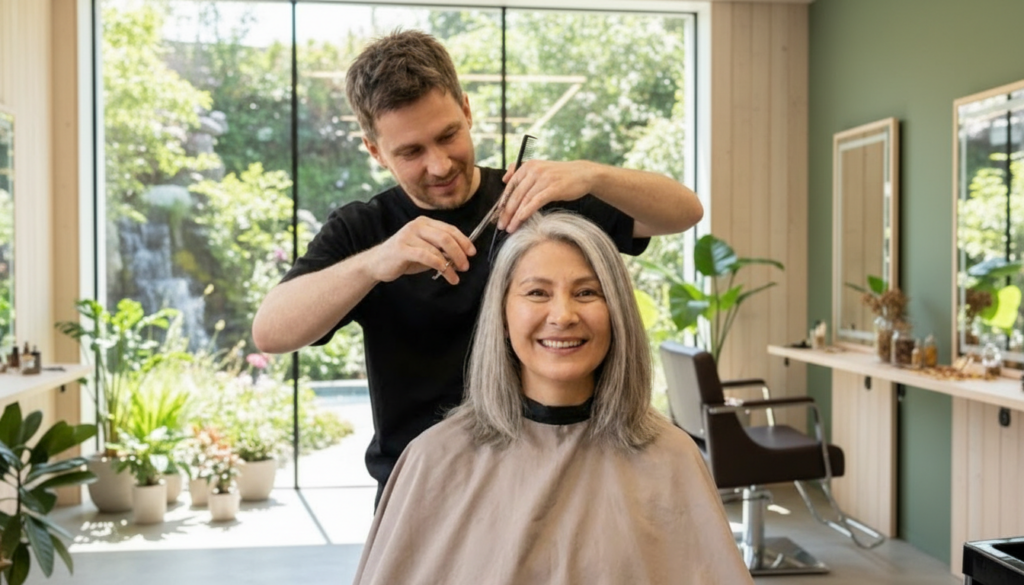
A professional stylist can provide valuable assistance with managing gray hair. Modern colorists work with gentle dyes and natural glosses to blend gray tones effectively. Between salon appointments you can maintain your color at home using cocoa or tea treatments. This approach reduces the amount of chemicals your hair is exposed to over time. Before applying any new product it is wise to test it on a small hidden section of hair first. This simple step helps ensure your hair will respond well to the treatment.