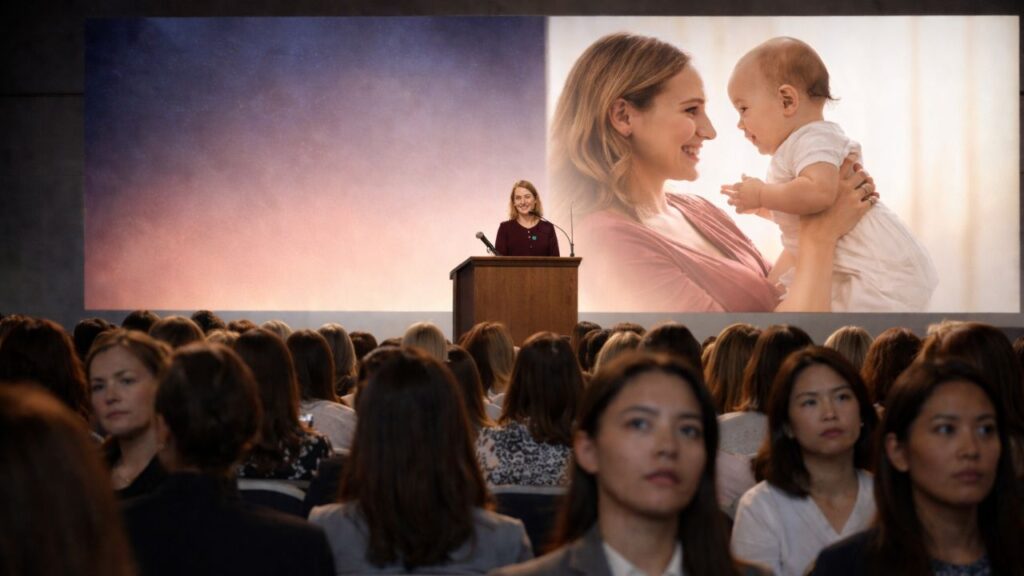
It may sound good to say that being a mother is a woman’s ultimate goal, but it often limits how society sees women’s contributions. When this idea is in charge, careers, creativity, and leadership can seem less important, which can lead to different expectations for men and women. In the workplace, it can make things worse for mothers’ careers while letting men get away with not doing much caregiving. It puts pressure on women who choose different paths, which is bad for society. These messages make limited choices seem normal over time and subtly defend policies that don’t support paid leave, childcare, or flexible work. To be fair, you have to understand that being a mother is important, but it’s not the only thing that makes someone valuable.
The Influence of Maternal Ideals on Women’s Decisions
When motherhood is seen as fate, it makes it harder to make choices for yourself. Women may feel pressured to become parents even if they aren’t ready, have enough money, or want to, which can make them feel guilty when they don’t meet expectations. People who put off or don’t do it can face social stigma, even in communities that are open-minded. This story also ignores the facts about the economy, such as rising childcare costs and unstable jobs, which have a bigger impact on decisions than ideals do. By glorifying sacrifice, society may overlook personal autonomy, complicating women’s ability to articulate success on their own terms.
Rethinking Respect Without Going Backward
You don’t have to choose between respecting mothers and promoting equality. The problem is how to honor parenting while still protecting women’s freedom and equal opportunity. A healthier view sees caregiving as important work that needs support, and it also says that happiness can come in many forms. By putting the emphasis on shared responsibility and policies that include everyone, societies can honor families without telling them what to do. In the end, progress depends on hearing about the different experiences of women and making sure that praise never turns into pressure or a way to go back to being unequal.
 Goodbye Hair Dye for Grey Hair: What to Add to Your Conditioner for Natural Colour Revival
| Part | Traditional Perspective | Equality-Centric Perspective |
|---|---|---|
| The Role of Women | Main caregivers | Many ways to live your life |
| The Role of Men | Second helpers | Parenting together |
| Effect on the workplace | Punishments for being a mother | Policies that are flexible and open to everyone |
| Value to Society | One perfect | Different contributions |
Commonly Asked Questions (FAQs)
1. Is it anti-feminist to value being a mother?
No, it only becomes a problem when it limits women’s options or tells them how valuable they are.

2. Can society support mothers without reinforcing stereotypes?
Yes, by promoting shared caregiving and gender-neutral family policies.

Because cultural narratives influence laws, workplaces, and everyday expectations.