For years, people who wanted to cover up their gray hair had to choose between harsh chemical dyes and natural remedies that didn’t work. People who want to darken their hair in a gentler way are now adding something they probably keep next to the coffee to their regular conditioner.
Say goodbye to hair dye for gray hair.
Goodbye to hair dye for gray hair is a growing trend as more people seek a gentler, natural approach. With aging, the pigment cells in hair follicles slow down, causing gray hair to appear. Along with age, stress, genetics, smoking, poor nutrition, and medical conditions contribute to this transformation. Initially, people use permanent or semi-permanent color to quickly cover gray hair. However, these methods come with challenges. The formulas are harsh, processing times are longer, and the chemicals can irritate older hair or sensitive scalps. Gray hair tends to be drier, more brittle, and less flexible. Regular dyes can make it rougher, increasing the risk of hair breakage. Too frequent coloring dries out hair, damaging the cuticle, and leading to dullness rather than shine. Oxidative reactions change hair structure, even in ammonia-free or gentle formulas, which works well on thick, oily hair but may not suit delicate hair in older adults.
The Cocoa Conditioner Hack That Everyone Is Talking About
When cocoa comes into the picture, people find a new way to deal with gray hair. We’re talking about plain cocoa powder, not sweetened cocoa. This natural brown powder is rich in natural pigments and plant compounds that can stain hair gently without harming the protective outer layer. Cocoa doesn’t act like permanent hair dye but works like a soft filter, making gray hair appear brownish while nourishing it. The compounds in cocoa, such as tannins and flavonoids, stick to the hair surface. As a result, light or gray hair takes on a darker hue that deepens over time. Cocoa also contains antioxidants, which protect hair from environmental damage, and it has softening properties that make hair easier to manage. Its mild astringent effect helps control scalp oil, providing multiple benefits in one easy-to-use product.

How to Mix Cocoa Powder into Your Conditioner the Right Way
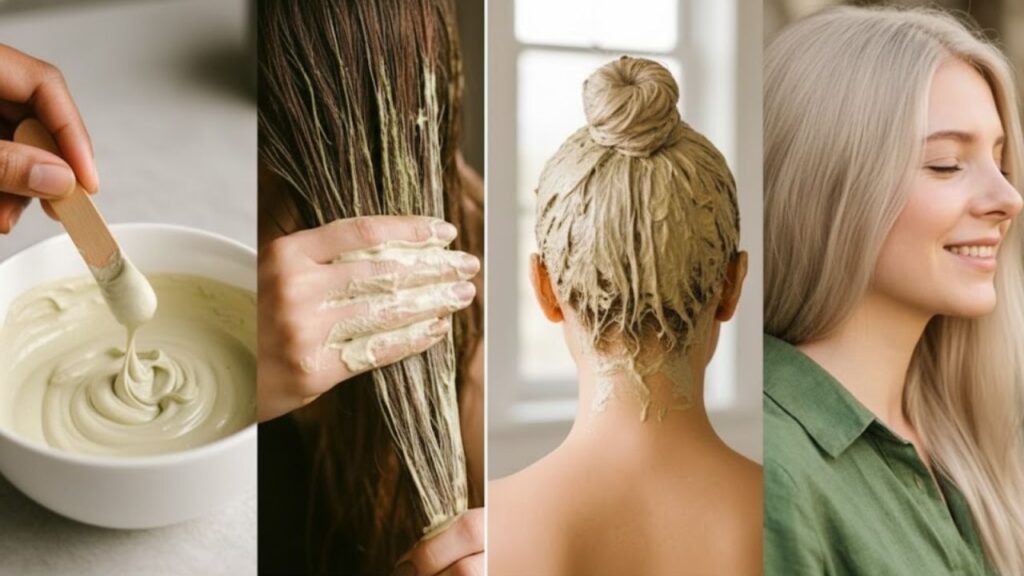
The method of adding cocoa powder to conditioner is simple and inexpensive. You only need a bowl and spoon to get started. Start by washing and towel-drying your hair. Apply the treatment once or twice a week. Put a generous amount of your regular conditioner into a clean bowl, preferably one that is silicone-free or contains minimal silicone. Add 2 to 4 tablespoons of unsweetened cocoa powder, depending on your hair length and thickness. Stir until you get a smooth, lump-free chocolate-colored paste. Use clips to separate your hair and apply the mixture, focusing on areas with visible gray. Use a wide-tooth comb to spread the paste evenly from root to tip. Let it sit for about 20 minutes (up to 30 minutes for stubborn white hair), then rinse thoroughly with lukewarm water. The color should shift from white to a cooler, smoky brown. Over time, the color will become richer and deeper with each application.
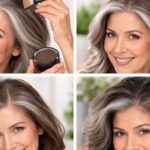
Who Should Try This Method for Grey Hair and Who Should Not
The cocoa conditioner method works best for people with sparse gray hair, rather than those with full white or gray coverage. It is ideal for blondes or light brunettes whose gray hair contrasts strongly with their natural color. It is also great for individuals with sensitive scalps who prefer a gentler alternative to chemical dyes. Cocoa conditioner is a perfect solution for those seeking gradual change rather than an instant color transformation. However, it is not as effective on very dark hair, and those with deep black hair may not see much difference. The result is subtle, offering more of a tinted gloss effect rather than a complete color overhaul.

| Hair Type | Color Change | Overall Effect |
|---|---|---|
| Mostly white or gray, thin strands | Soft beige-brown | Shinier and smoother hair |
| Brown hair with salt and pepper | Better gray blending | Softer and even shade |
| Dark brown or black with limited greys | Very subtle color shift | Warm undertone added |