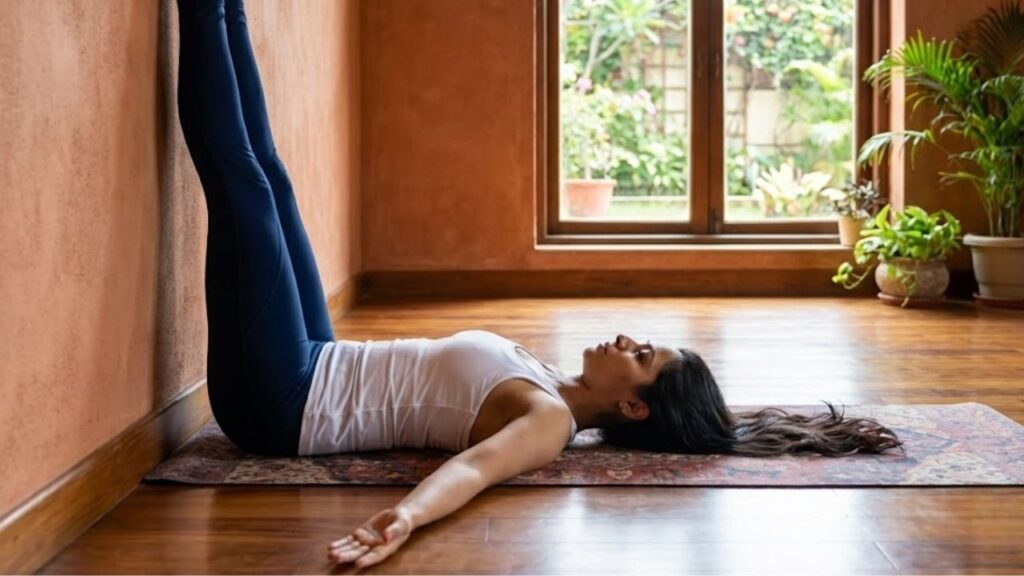
Maintaining a healthy posture is crucial for overall physical well-being, especially in today’s sedentary lifestyle. Many people struggle with back pain, neck tension, and low energy due to long hours spent sitting at desks or looking at screens. Yoga provides a gentle yet effective way to improve posture. By incorporating simple yoga poses into your daily routine, you can strengthen your muscles, increase flexibility, and develop better body awareness, leading to lasting posture improvements. Below are five yoga poses that can help you sit, stand, and move with better alignment.
1. Mountain Pose: Build Awareness and Aliganment
Mountain Pose, or Tadasana, is a fundamental yoga posture that helps develop awareness of proper alignment. While it may seem simple, this pose is powerful in teaching the body how to stand tall, engage the core, and lengthen the spine. It serves as a foundation for other postures and improves overall posture by promoting correct standing habits.
To practice Mountain Pose:
- Stand with your feet hip-width apart, pressing evenly into the floor.
- Lift your chest while engaging your thighs and avoiding locking your knees.
- Lengthen your spine by reaching upward through the crown of your head.
- Relax your shoulders and let your arms rest by your sides, palms facing forward.
- Hold the position for 30 seconds to 1 minute while maintaining steady alignment.
2. Cat-Cow Pose: Increase Spinal Mobility
Cat-Cow Pose (Marjaryasana-Bitilasana) is a flowing sequence that enhances spinal mobility while relieving tension in the neck, shoulders, and back. By alternating between spinal extension and flexion, this pose improves the flexibility of the spine, helping you maintain a healthy posture throughout the day.

To practice Cat-Cow Pose:
- Begin on your hands and knees with your wrists under your shoulders and knees under your hips.
- Inhale as you drop your belly, lift your chest and tailbone, and arch your back.
- Exhale as you round your spine and draw your chin toward your chest.
- Repeat this flowing motion for 5–10 rounds, synchronizing your breath with the movement.
3. Cobra Pose: Strengthen the Upper Spine
Cobra Pose (Bhujangasana) targets the muscles along your spine, helping to open the chest and shoulders. This pose is especially beneficial for counteracting the effects of slouching by strengthening the muscles that support the upper back, thereby promoting better posture.
To practice Cobra Pose:

- Lie face down with your legs extended and the tops of your feet resting on the floor.
- Place your hands under your shoulders, keeping your elbows close to your body.
- Inhale and gently lift your chest off the floor, using your palms to press into the ground.
- Engage your back muscles, keeping your elbows slightly bent.
- Hold for 15–30 seconds, then slowly lower back down.
4. Child’s Pose: A Restorative Stretch
Child’s Pose (Balasana) is a deeply relaxing posture that helps release tension in the spine, neck, and shoulders. It encourages spinal alignment and provides relief from postural strain, making it a great restorative pose after sitting for extended periods.
To practice Child’s Pose:
- Kneel on the floor with your big toes together and knees slightly apart.
- Lower your hips toward your heels and extend your arms forward on the mat.
- Rest your forehead on the mat, allowing your neck and shoulders to relax.
- Breathe deeply and hold the position for 1–3 minutes to stretch and release tension.
5. Bridge Pose: Strengthen Lower Body and Improve Alignment
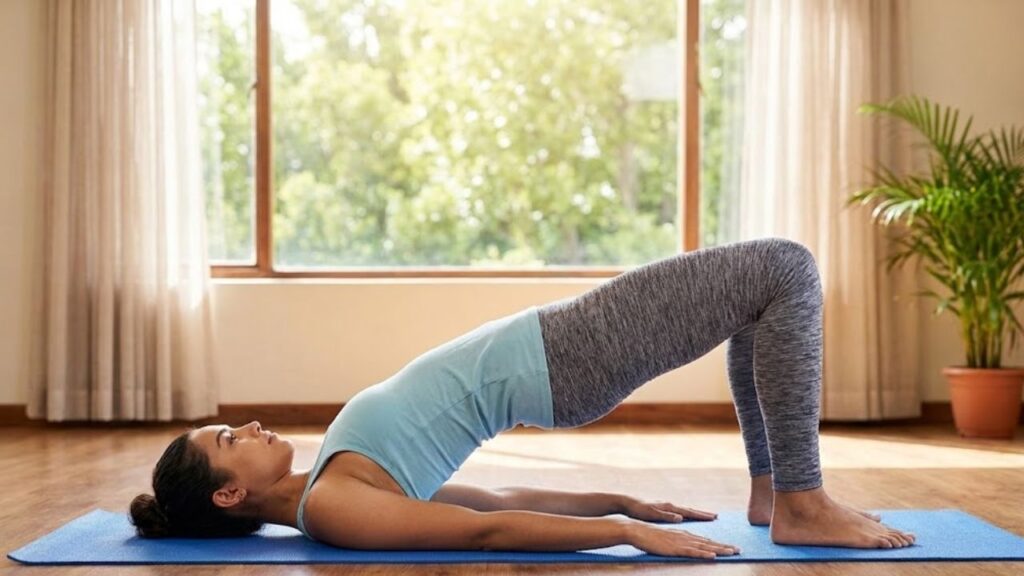
Bridge Pose (Setu Bandhasana) activates the glutes,lower back, and core, all of which play a vital role in maintaining a strong and upright posture. This pose also opens the chest and hips, supporting better spinal alignment and reducing the tendency to slouch.
To practice Bridge Pose:

- Lie on your back with your knees bent and feet flat on the floor, hip-width apart.
- Place your arms by your sides, with your palms pressing into the floor.
- Press your feet into the ground and lift your hips upward while engaging your core and glutes.
- Keep your knees aligned and hold the position for 30 seconds to 1 minute.
- Lower slowly and repeat for 3–5 rounds.
Conclusion: Consistent Yoga Practice for Long-Term Posture Benefits
Incorporating these five yoga poses into your daily routine can significantly improve your posture over time. Regular practice helps strengthen key muscles, increase flexibility, and foster better body awareness, all of which support proper alignment. Starting with just a few minutes each day and staying consistent will yield lasting benefits, contributing not only to better posture but also to improved overall well-being. Yoga’s focus on mindfulness and balance complements its physical benefits, helping you feel more aligned, centered, and confident in your movements.