People with gray hair have had to choose between harsh chemical dyes and natural remedies that don’t work for years. People who want to darken their hair in a gentler way are now adding something to their regular conditioner that they probably keep next to the coffee.
Why More People Are Stopping Using Chemical Hair Dye to Hide Gray Hair
When pigment cells in hair follicles stop making melanin and slow down, the hair turns gray. Age is one thing, but genetics, stress, smoking, not getting enough nutrients, and some medical conditions are also very important. The outcome is well-known: a few silver strands appear and then slowly spread across the scalp. Most people start with color that stays for a long time or forever. It works quickly. But every time you color your hair, there are some bad things that happen. The formulas are harsher, the processing times are longer, and the chemicals can irritate older hair or sensitive scalps.
Without pigment, hair is usually drier, weaker, and less flexible. Regular dyes can make it rougher and make it break more easily. Coloring your hair can take away moisture, hurt the cuticle, and make white hair look dull instead of shiny. Even products that say they don’t have ammonia or are gentle use oxidative reactions that change the structure of hair. That might work well on thick, oily hair when you’re 25, but it feels very different on thinner, more fragile hair when you’re 50. People who want options like henna and indigo like them, but they also have issues. The colors can be too warm or too dull, and it’s hard to fix them at the salon once you’ve put them on. The results are very different for everyone.

The Cocoa Conditioner Trick That Everyone Is Talking About
This is when cocoa is useful. We aren’t talking about cocoa powder that you add sugar to to make hot chocolate. We’re talking about cocoa powder that you use to bake. This brown powder has natural pigments and plant compounds that can lightly color hair without hurting the outer layer that protects it. Cocoa doesn’t work like hair dye that lasts forever. It works more like a soft filter that makes gray hair look brown and also makes it healthier. Cocoa has flavonoids and tannins that stick to the outside of hair. If you use it on light or gray hair, the color that builds up makes the hair look a little darker. The effect gets stronger with each use.

It doesn’t change the color of dark hair very much; instead, it gives it more depth and warmth. Cocoa is good for more than just hair, and hairstylists and dermatologists like it too. It has antioxidants that keep hair safe from damage that happens every day in the environment. It has ingredients that naturally soften hair, which makes it easier to style. It also has a mild astringent effect on the scalp that helps keep oil levels in check. When you add these properties to the conditioning ingredients that are already in your regular conditioner, you get a treatment that colors and conditions your hair at the same time.
How to Mix Cocoa Powder into Your Conditioner the Right Way
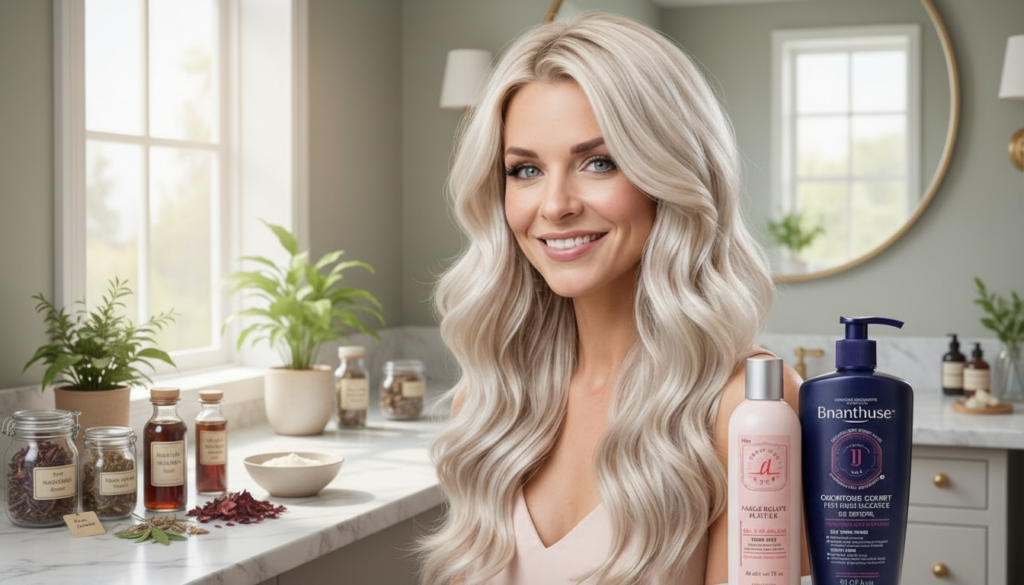
The method that is becoming popular on beauty forums is surprisingly simple and cheap. You don’t need any special tools or ingredients that are only found in labs. All you need is a bowl and a spoon.
Step-by-step method
Do this routine on hair that has just been washed and dried with a towel. Do it once or twice a week at first. Put a lot of your regular conditioner in a bowl that is clean. Pick a formula that is either silicone-light or silicone-free if you want the pigment to stick better.
Add 2 to 4 tablespoons of unsweetened cocoa powder to your hair, depending on how long and thick it is. Slowly stir the mixture until it is thick and smooth, has a chocolate-brown color, and no lumps.
Put the mixture on your hair after you clip it into sections. Look closely at the gray areas around the crown, temples, and part.
Use a comb with wide teeth to spread the blend from the roots to the tips. Keep it on for about 20 minutes. People with white hair that is hard to straighten may be able to stretch it for 30 minutes. To get rid of any cocoa residue, rinse well with lukewarm water and massage the scalp.
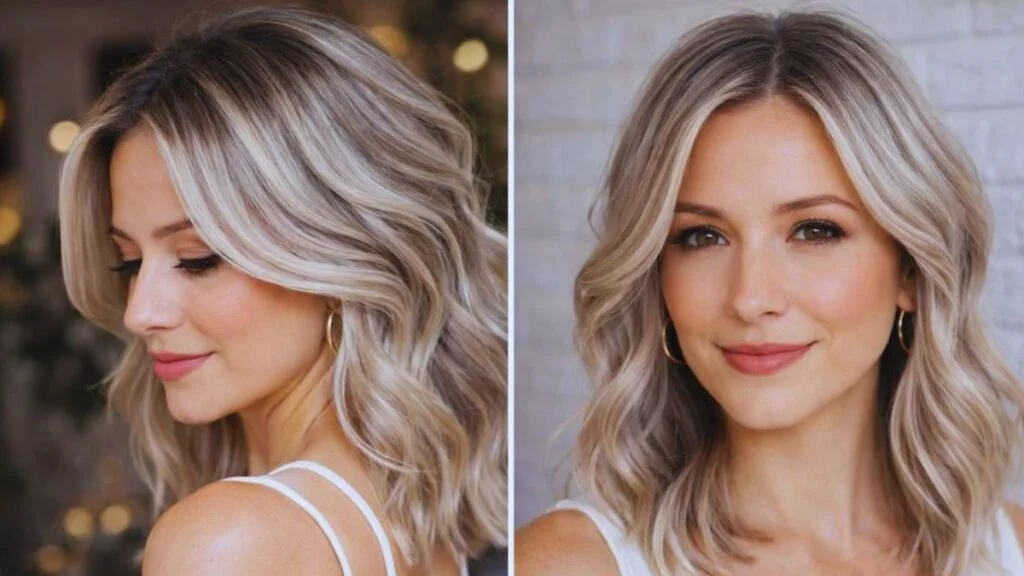
Most people say that after the first time they use it, the color goes from bright white to a cooler, smoky brown. Over time, results that are deeper build up. The goal is not to change the color of a salon in one visit. Instead, it softly blurs the contrast and makes the whole look darker. You can see the change better where the hair is lightest. This makes grey roots look less harsh between full color appointments.
Who this method works for and who should be careful
Cocoa-enhanced conditioner works best on certain types of hair and in certain situations. It works best on people who have some gray hair, not people who have all white hair. The product also works for light brunettes and blondes whose gray hairs stand out against their natural color. This choice is usually better for people with sensitive scalps who don’t like how chemical hair dyes make their hair feel. People who would rather see a slow change than a big one like it. If you have very dark hair, the cocoa conditioner won’t completely cover up gray roots. But it can help hide the line between hair that has already been colored and new growth. The final result is still subtle and looks more like a tinted gloss than a full color treatment.

Type of hair: What will happen after using cocoa?
| Type of Hair | What Happens After Using Cocoa? |
|---|---|
| Mostly white or gray, thin strands | A soft beige-brown color shows up, and the hair looks shinier and smoother. |
| Brown hair with salt and pepper | Grey strands mix better, and the overall color looks softer and more even. |
| Dark brown or black with only a few gray tones | There is a very slight change in color with a light warm undertone. |
How Cocoa Works When hair shaft and pigment are lost
Gray hair often feels rough because the outer layer that protects it comes off more easily than the outer layer that protects colored hair. This lifting makes gray hair more likely to get tangles and frizz. Conditioner helps by making this outer layer smoother and adding a coating that lets each hair slide past each other without getting stuck.
When you mix cocoa with conditioner, the tiny particles and natural color compounds stick to the hair strands. They stay on the outside of the hair shaft instead of going deep into it, like permanent hair dyes do. Because of where it is on the surface, the color builds up slowly over several applications and washes out slowly, instead of making a clear line of regrowth. Cocoa is like a thin layer of color that protects a surface that is easy to break. It gives you some protection and color without needing a lot of work. Cocoa conditioner doesn’t have any harsh oxidizing chemicals, so it doesn’t change the structure of your hair too much. If your hair is getting older and tends to be dry, this gentler method can really help it feel and move better.
Cocoa vs. Other Gray Hair Solutions: Oils, Dyes, and Treatments
Cocoa is now one of many choices for people who want to change how they deal with gray hair or put off coloring their hair again. Some people use herbal rinses like black tea or coffee. These can leave a light stain on hair, but if you use them too often, they may dry it out. Some people use tinted conditioners made for brunettes, while others go to salons for professional grey blending treatments. Cocoa is easy to find, cheap, and good for your hair, which makes it stand out. You don’t have to make any big changes to how you usually take care of your hair. The bad thing is that the results can be unpredictable because the color changes and too much product can make hair look dull if it isn’t rinsed well.
More than just a color: How to keep your gray hair healthy and strong every day
Beyond the conditioner bowl, how to care for gray hair What you put in your conditioner is not the only thing that matters when it comes to gray hair. Dermatologists say that things you do every day can make your silver hair grow faster or slower. Stress and smoking both put stress on pigment cells. This can also happen when you don’t wear sunscreen and eat foods low in antioxidants. People who use cocoa treatments often start doing things that are better for them. They use sprays that keep UV rays out when they’re outside and don’t use as many high-heat styling tools. They wash their hair every few days and choose masks that are full of proteins and lipids. This mix helps each strand stay strong for longer, no matter what color it is. People who don’t want to give up professional color yet can still use cocoa.

Some colorists say that you should use homemade masks on your hair for a few weeks after going to the salon to keep it shiny and tone it down without adding more oxidative color to hair that has already been processed. Some people see it as a way for clients to slowly go gray without having to deal with a harsh line of hair that grows out. The cocoa trend is part of a larger trend toward gentle approaches. These are small changes that can be undone and that work with the hair’s changing biology instead of fighting it at all costs. More and more people are using the method and finding ways to make it work for their skin, hair, and schedule. The line between the bathroom and the kitchen is getting smaller.